Welcome to Issue 2 of The Rewind — and we’ve got some great content for you. This quarter, we're sharing a story that genuinely stopped us in our tracks: how a letter sent out of the blue to Rod Serling in 1962 eventually led to a collection of Dictabelt recordings that preserved not only one of television's most iconic voices, but an entire lost screenplay that never made it to air. The kind of story that reminds you exactly why this work matters.
We're also excited to introduce the Scene Savers APP, a tool we built to put our twenty years of hands-on preservation expertise directly in your pocket — from format identification to preservation urgency ratings to monetization assessments, all on demand. This issue also features an archivist we deeply admire, Phillip Fitzsimmons of Southwestern Oklahoma State University, whose work spanning astronaut recordings, athletic heritage, and Tolkien scholarship is a testament to what one committed librarian can do.
And we've got practical guidance on NEH grant funding and why LTO tape belongs in your long-term storage strategy. Dig in — there's a lot here we think you'll find inspiring, interesting, and useful.
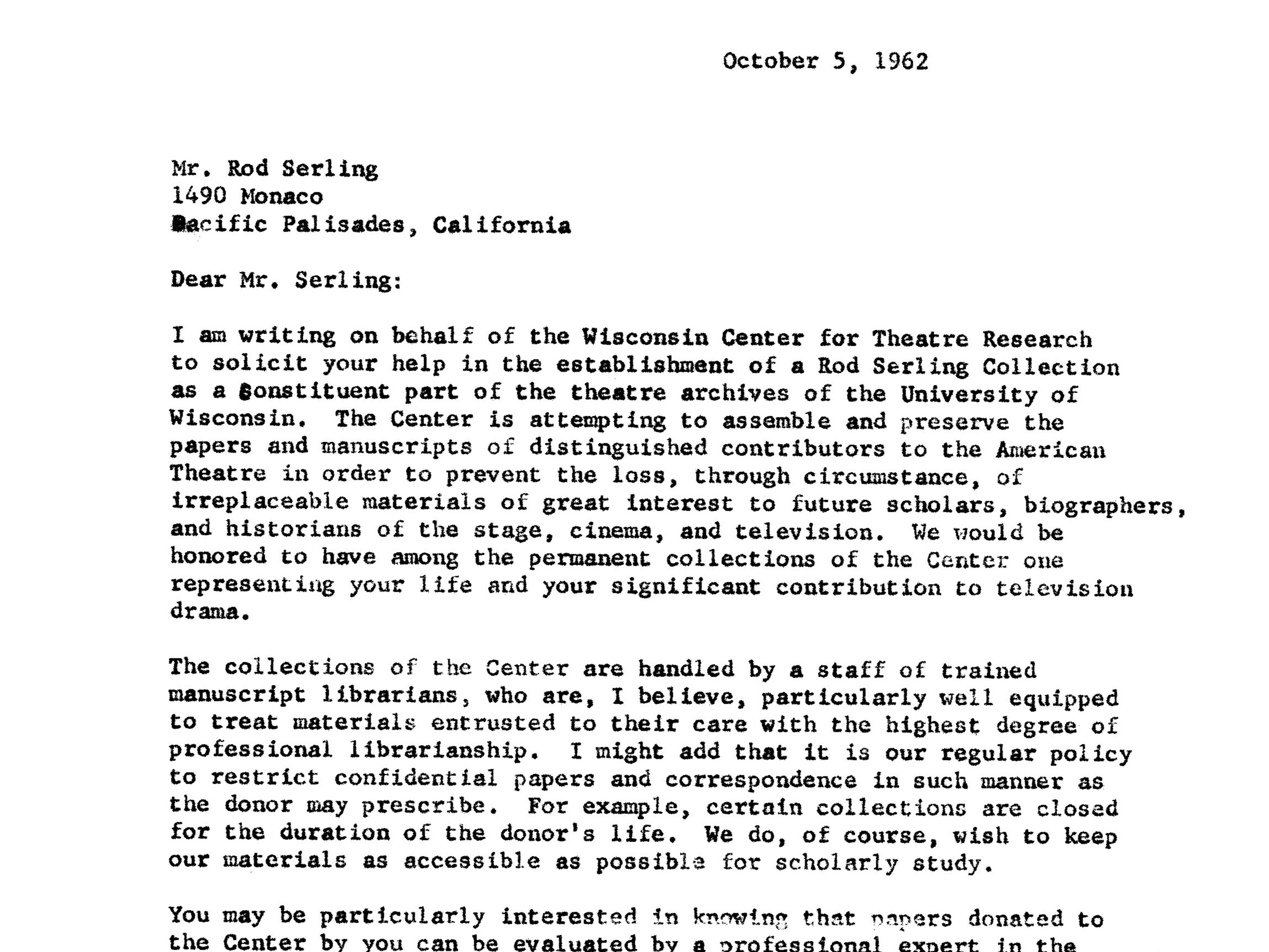
You already know the voice. Even if you’ve never watched an episode of The Twilight Zone, you can probably hear it — that measured, slightly clipped cadence, the way each word lands with the weight of a warning and the promise of a story that will stick in your head. “There is a fifth dimension beyond that which is known to man…” Rod Serling’s speaking voice became one of the most recognizable sounds in American television, the sonic signature of a place where the ordinary becomes, without warning, the uncanny.
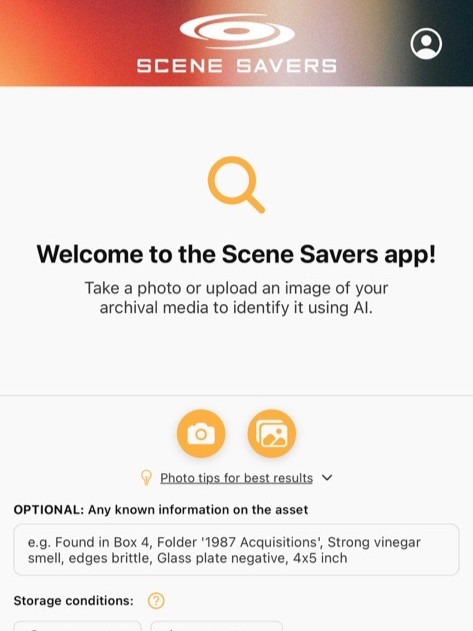
Over the years, we've heard the same questions again and again from archivists across institutions of every size.
With limited budgets and competing priorities, it is crucial to know which formats are critically at risk versus stable enough to wait another year, and what has untapped potential to enable other preservation efforts.
These aren't simple problems. The landscape of archival media spans more than a century of evolving technology with countless formats in between. Even experienced professionals can struggle with similar-looking formats. That's why we built the Scene Savers APP — to make our years of hands-on preservation expertise available to you, on demand.
For us, preservation has always been about community. The work we do is made richer by the archivists, engineers, educators, and advocates who share our commitment to protecting history. This summer, our team made the trip to New Orleans for the SAA Annual Conference, where we had the pleasure of reconnecting with longtime partners, meeting new faces, and hearing about the remarkable work being done across the archival field.
If we missed you in New Orleans, our team will be on the ground for FootageFest 2026, October 2–3, and AMIA 2026, Dec. 2–4 — and we'd love to connect. Whether you're working through a complex mixed-format collection, navigating a digitization timeline, or just want to talk shop about at-risk formats before the window closes — we're always glad to make time. Reach out ahead of either conference at scenesavers.com or give us a call at 800-978-3445, and let's make sure we find each other.
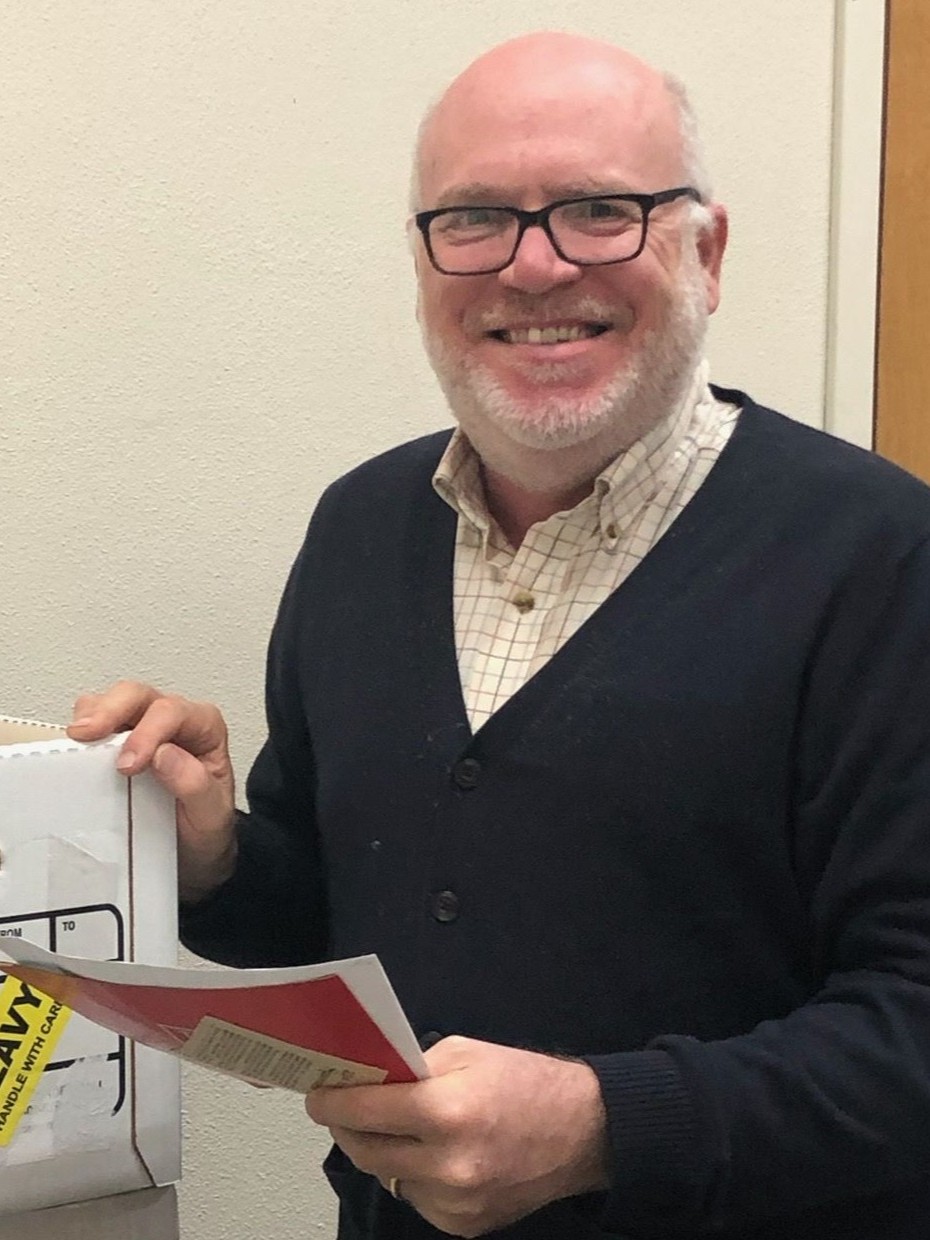
In 2007, as a newly minted librarian fresh from completing his Master of Library and Information Studies at the University of Oklahoma, taking every archiving class that was available at the time, Phillip was given a straightforward assignment: scan or photograph everything in a conference room and make it available online.
The NEH Collections Stewardship grant program funds libraries, archives, museums, and universities to preserve and provide access to physical and digital humanities collections. Awards range from $50,000 to $500,000 for one to three-year projects. The upcoming application deadline for the next cycle is December 15, 2026.
If you manage digital audio, film, or video collections, you've likely wrestled with the question: What's the best way to store preservation masters for the long haul?
Whether you're preparing a grant application, sorting out which formats in your collection are most at risk, or wondering what's waiting on a shelf of aging belts, reels and tapes, we're here to help. From grant application support to project planning and digitization, we'd be glad to talk through the options.
GET IN TOUCH →