Morgan Geiringer, Head of Special Collections, University of North Texas
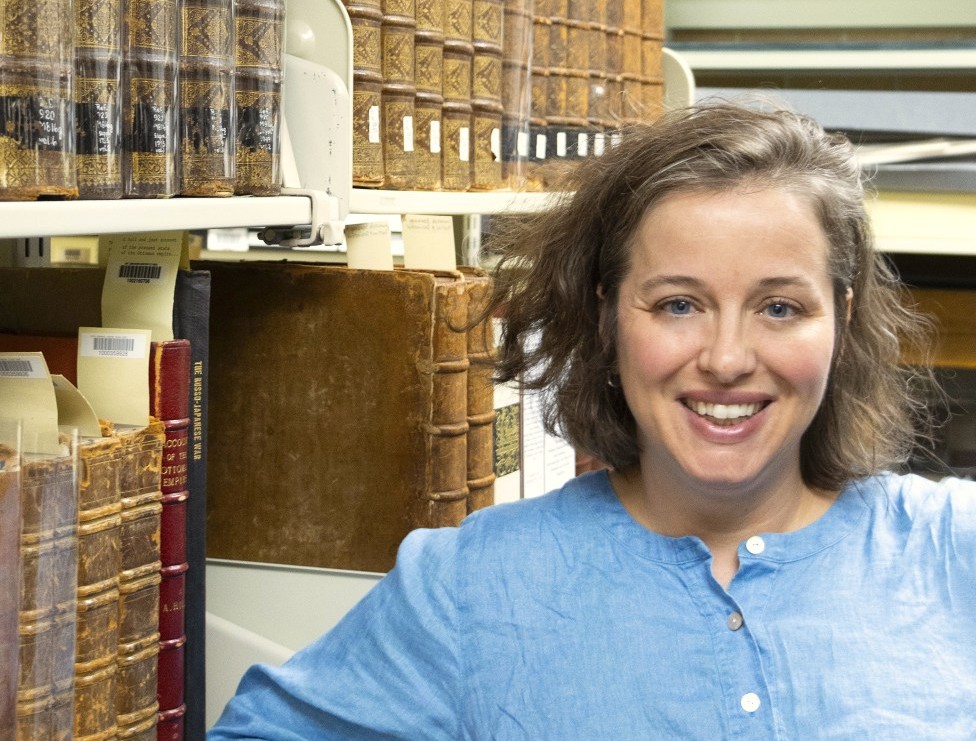
For Morgan Geiringer, audiovisual preservation is both a practical responsibility and a deeply human one. Over the past 20 years of working in archives and special collections, she has seen firsthand how quickly media can deteriorate and how easily access can be lost as formats become harder to play, transfer, and support. That urgency has helped shape her work and her purpose: to ensure that audiovisual materials remain preserved, accessible, and meaningful for the next generation.
Morgan came to the field through Library Science, but like many archivists, much of her expertise has been built through experience, collaboration, and continual learning. She is quick to credit the colleagues, partners, and vendors who have helped her along the way. Just as important, she emphasizes that A/V preservation depends on more than technical knowledge alone. Fundraising and advocacy, she notes, are essential skills. The work only moves forward when archivists can communicate why these materials matter and build lasting support for preserving them.
Today, Morgan manages the University of North Texas's large special collections department, where her days are filled with meetings, project oversight, and strategic planning. Still, some of the most rewarding moments come from seeing newly digitized films and videos appearing in the digital library or helping documentary producers locate the footage they need. The UNT collections span an enormous range of formats, from 16mm and 8mm film to audio cassettes, Betacam, digital video, and born-digital video on DVD. For Morgan, the most essential tool in that work is not software, but people. Successful large-scale preservation depends on teams with expertise in digitization, metadata, budgeting, quality control, storage, and digital preservation.
She is especially proud of her long-running work to digitize the NBC5/KXAS Television News Collection, an extraordinary record of Texas broadcast history. The archive, which documents the state's oldest television news station, stretches across decades of reporting and contains far more than historic broadcasts alone. It is a living resource for researchers, community members, and producers alike. As the collection has become more accessible, its impact has grown in multiple directions. Scholars can finally hear the voices they study. Families can rediscover relatives and moments from long ago. Preserved footage from the collection has also been licensed for use in national and international productions, extending its reach far beyond the archive itself. That kind of reuse is more than visibility; it is a powerful example of how thoughtful preservation, strong metadata, and sustained access can create ongoing cultural and financial value.
Her stories from the archive speak to the surprise and delight that often accompany this work, from an unreleased 16mm wrestling documentary that later became Friday Night in the Coliseum to the strangely unforgettable "lost media" footage of the Mexia Supermarket cleanup.
What comes through most clearly in Morgan's work is a belief shared by many in this field: archives are for people. Preservation is not only about saving objects. It is about service, connection, memory, and access. Morgan's dedication is a reminder of how much care, advocacy, and collaboration it takes to keep audiovisual history alive.